
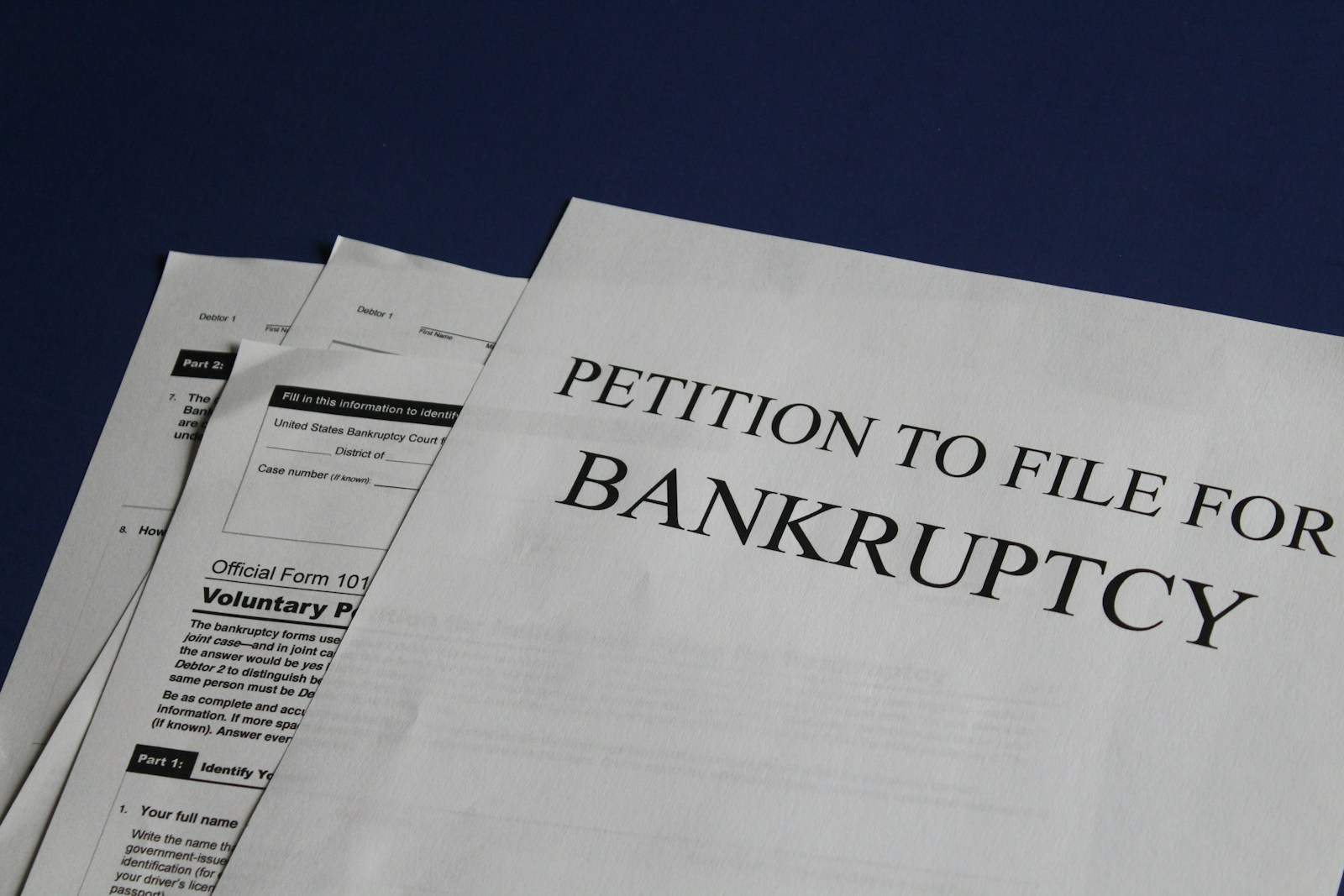
Rebuilding credit after bankruptcy is a process that requires patience, discipline, and a clear plan. Bankruptcy can feel overwhelming, but it does not mean financial recovery is impossible. Many individuals have successfully restored their credit by following structured steps and making consistent progress. The journey involves understanding how credit works, using available tools wisely, and avoiding mistakes that could slow down recovery. One of the most effective tools in this process is secured credit cards, which provide a safe way to demonstrate responsible borrowing and repayment.
Bankruptcy significantly lowers credit scores and remains on credit reports for several years. Lenders view bankruptcy as a sign of financial risk, which makes it harder to qualify for loans or credit. However, the impact lessens over time as positive financial behavior replaces negative history. Understanding how bankruptcy affects credit helps individuals set realistic expectations. Recovery is gradual, but consistent effort leads to improvement.
Reviewing Credit Reports
The first step in rebuilding credit is reviewing credit reports from all three major bureaus: Equifax, Experian, and TransUnion. Reports should be checked for errors, outdated information, or accounts that were not properly discharged during bankruptcy. Disputing inaccuracies ensures that credit scores reflect accurate data. Regular monitoring also helps track progress and identify areas that need improvement.
Establishing a Budget
A clear budget is essential for rebuilding credit. Tracking income and expenses ensures that bills are paid on time and unnecessary spending is avoided. A budget should prioritize essentials such as housing, utilities, and food, while allocating funds for debt repayment and savings. Sticking to a budget demonstrates financial responsibility, which is reflected in improved credit scores over time.
Building Emergency Savings
Emergency savings protect against unexpected expenses that could lead to missed payments. Even small contributions to a savings account build financial security. Having a cushion reduces reliance on credit during emergencies, which prevents new debt from accumulating. Savings also provide peace of mind, making it easier to focus on long-term credit recovery.
Using Secured Credit Cards
Secured credit cards are one of the most effective tools for rebuilding credit. These cards require a cash deposit, which serves as collateral and sets the credit limit. Responsible use of secured cards demonstrates the ability to borrow and repay on time. Payments are reported to credit bureaus, which gradually improves credit scores. Over time, consistent use of secured cards can lead to eligibility for traditional unsecured credit cards.
Making On-Time Payments
Payment history is the most important factor in credit scores. Making on-time payments for all bills, including utilities, loans, and credit cards, builds positive history. Even small payments contribute to recovery. Setting reminders or using automatic payments ensures that deadlines are not missed. Consistency in payment behavior shows lenders that financial habits have improved.
Keeping Balances Low
Credit utilization, or the percentage of available credit used, affects credit scores. Keeping balances low demonstrates responsible borrowing. Ideally, balances should remain below thirty percent of the credit limit. Paying off balances in full each month prevents interest charges and builds stronger credit history. Low utilization combined with on-time payments accelerates recovery.
Considering Credit Builder Loans
Credit builder loans are another option for rebuilding credit. These loans hold funds in a savings account while the borrower makes monthly payments. Once the loan is repaid, the funds are released. Payments are reported to credit bureaus, which improves credit scores. Credit builder loans provide both savings and positive payment history, making them a useful tool for recovery.
Seeking Professional Guidance
Credit counseling agencies provide guidance for individuals rebuilding credit after bankruptcy. Counselors help create budgets, manage debt, and develop strategies for improving credit. Nonprofit agencies often offer free or low-cost services. Professional guidance ensures that individuals avoid mistakes and stay on track. Counseling also provides emotional support, which is valuable during the recovery process.
Avoiding Predatory Lenders
Predatory lenders target individuals with poor credit by offering high-interest loans or unfavorable terms. These loans often lead to more debt and financial stress. Avoiding predatory lenders protects against setbacks in credit recovery. Researching lenders, reading contracts carefully, and seeking advice before borrowing helps prevent exploitation. Responsible borrowing is essential for rebuilding credit successfully.
Tracking Progress
Tracking progress motivates individuals to continue rebuilding credit. Monitoring credit scores regularly shows improvement over time. Setting milestones, such as reaching a specific score or qualifying for a new credit product, provides encouragement. Progress tracking also highlights areas that need more attention, such as reducing balances or improving payment consistency.
Maintaining Discipline
Discipline is the foundation of credit recovery. Avoiding unnecessary debt, sticking to a budget, and making consistent payments require commitment. Discipline ensures that positive habits become long-term behaviors. Over time, these habits replace the negative impact of bankruptcy and lead to financial stability.
Rebuilding credit after bankruptcy is challenging but achievable. By reviewing credit reports, establishing a budget, building savings, and using secured credit cards responsibly, individuals can demonstrate improved financial behavior. Making on-time payments, keeping balances low, and considering credit builder loans further strengthen recovery. Seeking professional guidance and avoiding predatory lenders protect against setbacks. With discipline and patience, credit scores improve, opening doors to better financial opportunities. Bankruptcy may remain on a credit report for years, but consistent effort ensures that it becomes only a part of the past rather than a barrier to the future.






Leave a Reply